The IOA Board of Directors is pleased to announce the appointment of
Brent Epperson, PhD, and
Laura Armstrong, PhD, as co-editors of the Journal of the International Ombuds Association (JIOA). They succeed Shannon Lynn Burton, PhD, who served as editor-in-chief of the journal for more than 10 years.
Dr. Laura Armstrong and Dr. Brent Epperson are active ombuds practitioners, scholars, and long-standing members of the organizational ombuds community. Together, they bring complementary expertise that reflects JIOA’s commitment to rigorous, practice-informed scholarship in organizational ombuds work. Dr. Armstrong is a professor in the School of Counselling, Psychotherapy and Spirituality at Saint Paul University in Ottawa, Canada. Dr. Epperson is an assistant professor in the School of Conflict Studies and co-chair of the Center for Informal Dispute Resolution at the same institution. Dr. Epperson brings more than a decade of experience as an organizational ombuds across multiple sectors and jurisdictions, including higher education, professional associations, and international organizations. His work bridges practice and scholarship, with publications and conference presentations focused on ombuds practice, public administration and policy, and fairness in institutional governance. Dr. Armstrong’s work complements this foundation through her expertise in mental health, conflict coaching, program development, and applied research. Her scholarship includes more than 75 articles, books, chapters, workshops, and conference publications in psychology and, more recently, ombuds practice. She also brings expertise in mixed-methods research, quantitative measurement development, program and service evaluation, and knowledge mobilization methodologies.
In announcing the appointments, the IOA Board noted that the co-editorship reflects a deliberate pairing of expertise in ombuds practice, conflict coaching, interdisciplinary research, mental health, and organizational systems.
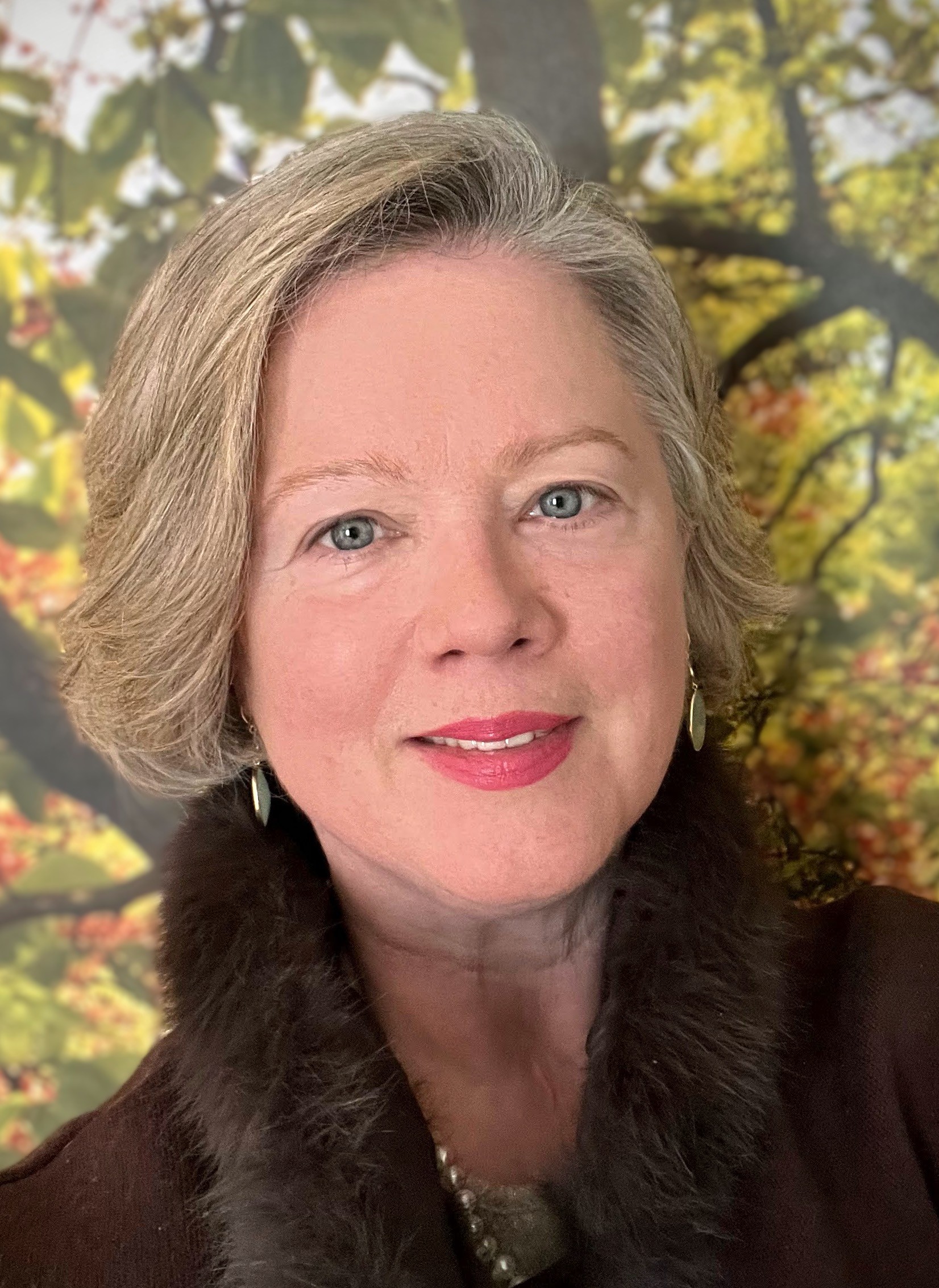
IOA would like to express our sincere gratitude to Shannon Lynn Burton, PhD, University Ombudsperson at Michigan State University, for her decade as editor of JOIA. Shannon's deep understanding of the field, insatiable curiosity, commitment to helping practitioners find voice in the research space, and calm yet visionary demeanor beautifully informed her direction as editor in chief. Shannon took the journal to another level - merging her skill as a quantitative researcher, avid reader, and mentor to many potential turned actual authors. Once she steps down at the end of May from the editor role, she will pursue other research projects in the field, including spearheading a new research symposium planned for the spring of 2027.


 By, Elizabeth Hill
 By, Elizabeth Hill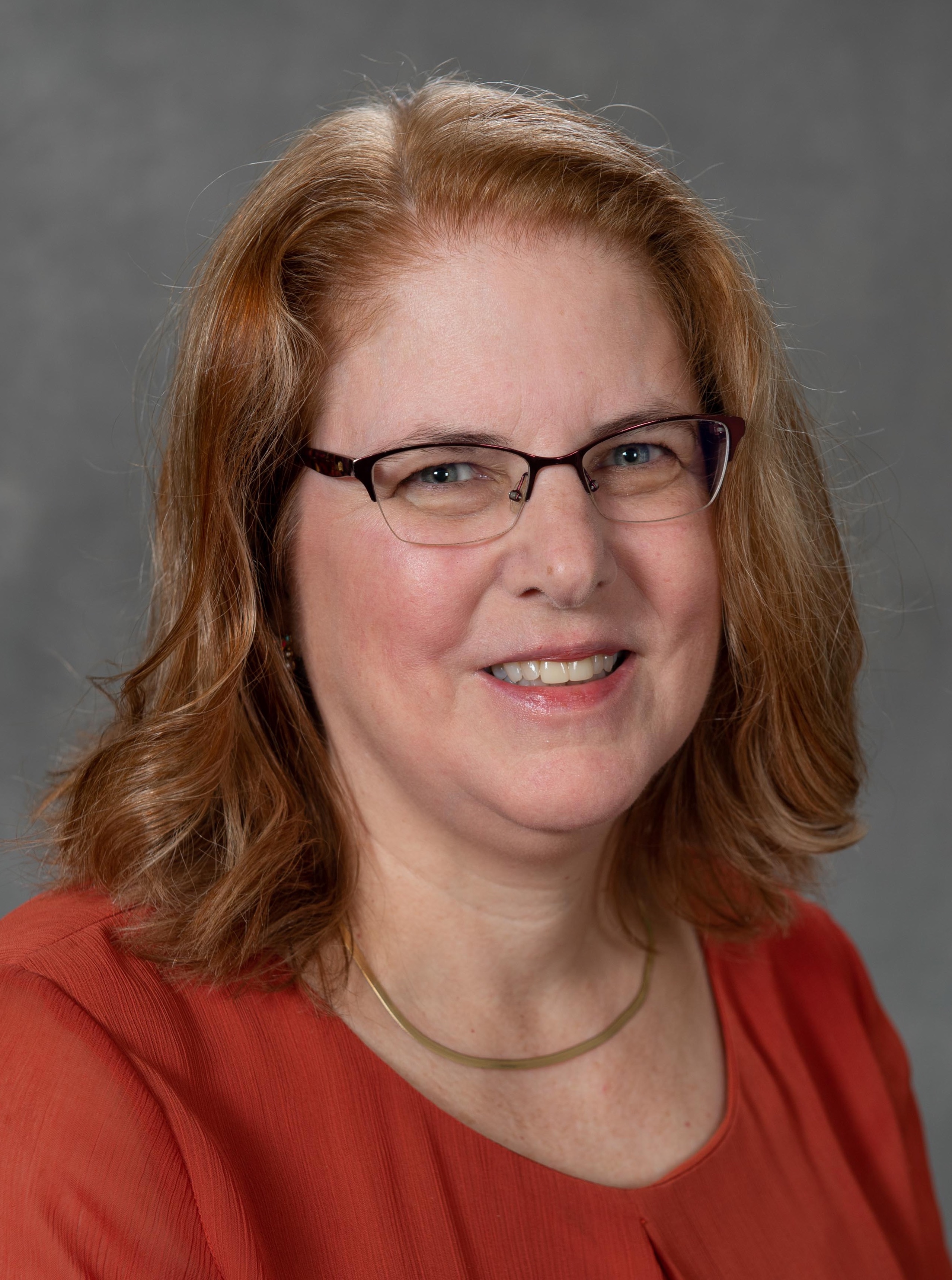
 Ombuds Needed: Help contribute to and advance our field!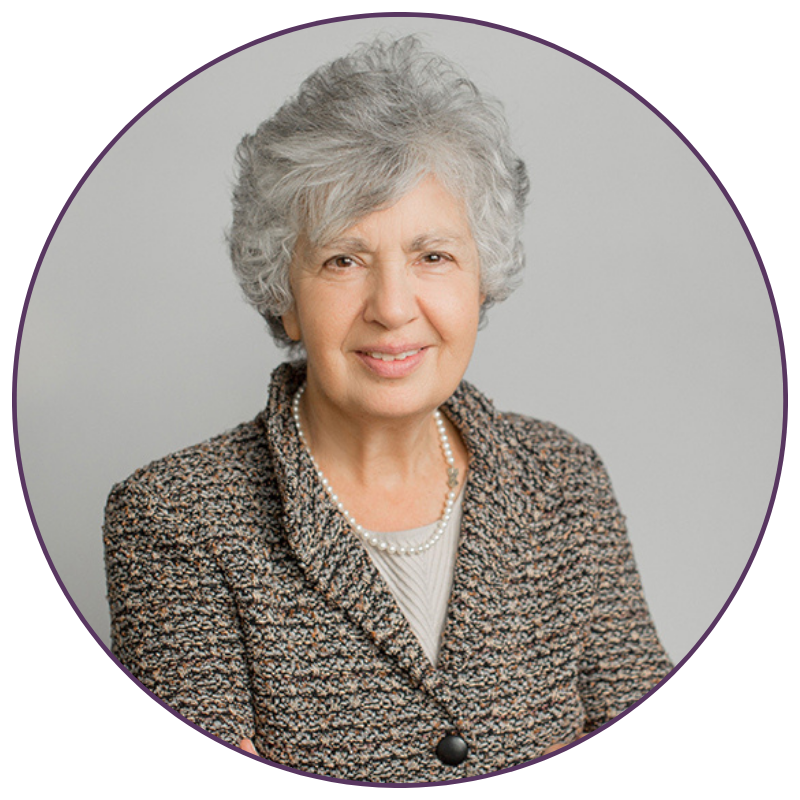

 By Julia Farmer
 Julia Healy