
- About IOA
- About IOA
- Board of Directors
- Committees & Task Forces
- Strategic Plan
- Regional Advancement Communities
- Standards of Practice & Code of Ethics
- Frequently Asked Questions
- IOA's Ombuds for Members
- Inclusion and Belonging
- IOA Values and Norms
- IOA Concern and Complaint Policy
- Contact Us
- Sponsorship Opportunities
- IOA Sponsors
- About Ombuds
- Membership
- Events & Training
- Certification
- Resources & Research Hub
- Resources
- Research Hub
- Publications
|
|
Member Type |
Core Course Rates |
| IOA Members | $475 USD |
| Non-Members | $775 USD |
Register today!
This course is presented in English. Captions are available in English by default. Individual participants may choose to see their captions translated into one of the following languages: Arabic, Bangla (beta), Chinese Simplified, Chinese Traditional, Czech, Danish (beta), Dutch, Estonian, Finnish, French (France), German, Hebrew (beta), Hindi (beta), Hungarian, Italian, Japanese, Korean, Malay, Norwegian (beta), Polish, Portuguese, Romanian (beta), Russian, Spanish, Swedish, Tamil (beta), Turkish, Ukrainian, or Vietnamese.
About the Course
Organisational Ombuds work in environments characterised by complexity, ambiguity, and emotional intensity. In these situations, it can be challenging to maintain clarity of role, avoid being drawn into competing perspectives, and determine how best to respond. This interactive session introduces a practical, systems-based approach to making sense of these dynamics, beginning with the Ombuds’ own experience in role. Participants will explore how they are affected by the situations they encounter, how different dynamics influence their responses, and how to remain grounded while working with others. Using a simple, structured framework, the session supports participants to distinguish between individual, organisational, and contextual factors, and to reflect on how these shape their role in a case. The emphasis is on strengthening reflective practice and identifying small, practical shifts that enhance clarity and effectiveness.
Learning Objectives
After engaging in this session, participants will be better able to:
- Recognise how complex situations impact them in role
- Identify common dynamics that can pull them out of role
- Distinguish between individual, organisational, and contextual factors
- Apply a simple framework to reflect on their own experience in a case
- Identify practical steps to support role clarity and effective engagement
About the Instructor
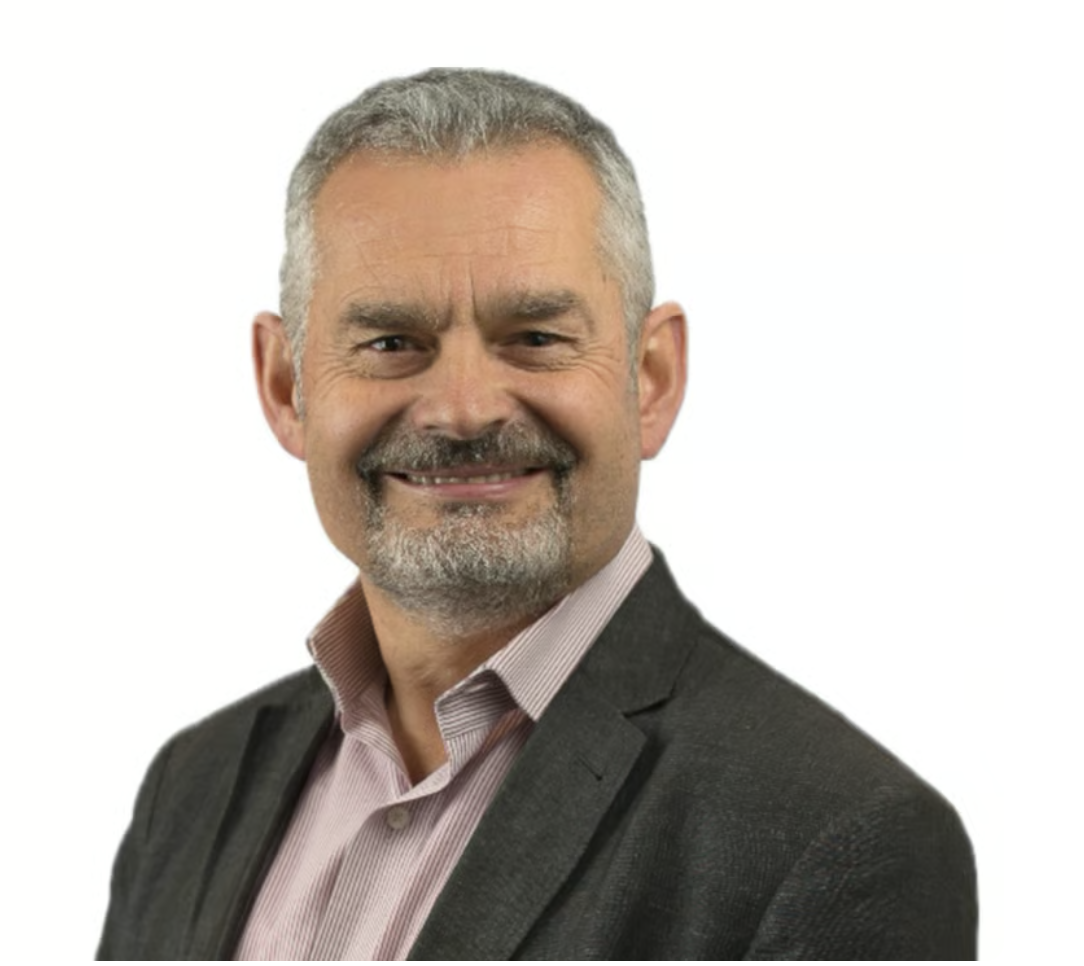
Fred Wright, MAppSci(OD), MSW, GradDip(Crim), BA, has over 45 years’ experience in government administration.He was responsible for the establishment of a successful pilot project that resulted in the creation of an Organisational Ombudsman program in a State Government Department, which at that time was the first of its kind in Australia. Fred has previously chaired the International Committee of the International Ombuds Association (IOA) and Co-Chaired the Asia Pacific Regional Committee of the IOA.
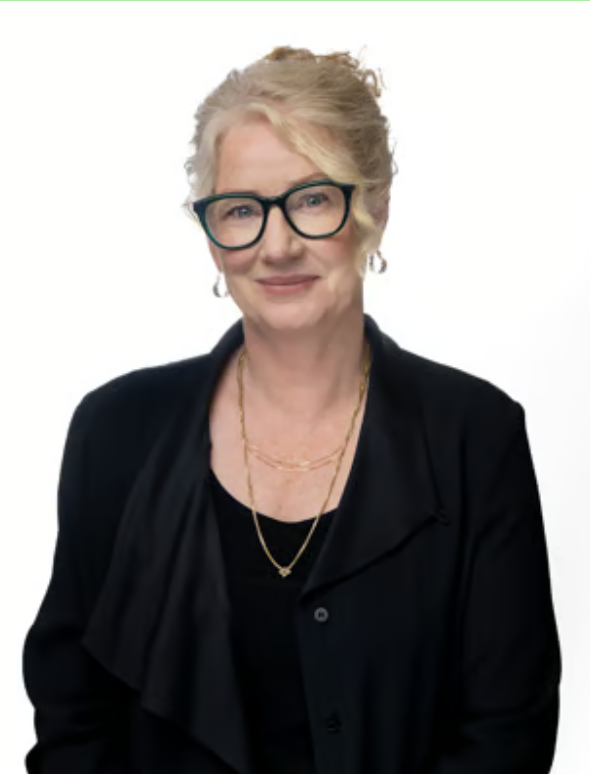 Helen McKelvie, PhD, MLM(OD), LLB is NIODA’s Consulting Lead and a member of the teaching staff in the Master of Leadership and Management (Organisation Dynamics). She brings more than 30 years of professional experience across the public and private sectors to her work as a consultant, coach, supervisor, and facilitator. In roles as socio-legal researcher, lawyer, policy and project manager, and internal planning consultant, Helen has consistently engaged with complex challenges in organisations and systems, integrating research with reflective practice and connecting people and ideas to create new possibilities.
Helen holds a Master of Leadership and Management (Organisation Dynamics) from NIODA, along with Law and Arts degrees. She is accredited in a range of frameworks that enrich her practice: PRISM Brain Mapping (a neuroscience-based behavioural mapping tool), Analytic-Network Coaching, the Wild Leadership Questionnaire, and is registered as an A-N Coach. She is also an accredited Physical Intelligence Coach with the Physical Intelligence Institute (UK) and has training in workplace mediation. Her background and qualifications as a yoga teacher bring an additional dimension of somatic awareness and mind–body integration to her work.
Helen is currently a PhD candidate at NIODA, researching Integrating somatic experience in the practice of systems psychodynamics. This research reflects her long-standing interest in how embodied experience informs leadership, collaboration, and organisational life.
Her consulting, coaching, and supervision practice is informed by systems psychodynamics, creating reflective space for respectful communication, insight, and alignment with organisational role and purpose. Helen’s philosophy is grounded in curiosity, containment, and care: she believes that sustainable change comes not from imposing solutions, but from helping leaders and teams uncover hidden dynamics, make sense of complexity, and work with greater clarity and confidence.
 Brigid Nossal, PhD, RMIT, AU, MEd is co-founder of NIODA and currently serves as Principal Advisor within the Leadership Team, following previous roles as Deputy CEO and Director of NIODA Consulting. She continues to teach and supervise in the academic programs and is available for coaching, consulting, and research projects.
Brigid’s work is grounded in the belief that much of organisational life takes place “below the surface,” in the rich and complex territory of the unconscious. From this hidden domain arise both disruptive challenges and transformative ideas. Exploring these dynamics—bringing the unseen into awareness—creates opportunities for fresh learning and enduring change for individuals and organisations.
For over 20 years, Brigid has dedicated her career to advancing the theory and practice of systems psychodynamics in organisations. Her doctoral research, consulting practice, teaching, and ongoing inquiry all contribute to this field. A long-standing participant in Group Relations Conferences (GRC) in the Tavistock tradition, she has directed conferences in Australia and worked on staff teams in the UK, India, and China.
Additional Details and Event Policies
Course Limit
30 participants
Professional Development Hours (PDH)
This course is in review to be approved for 3 PDH.
Cancellation Policy
All cancellation requests received on or before Thursday, 22 October 2026, will be issued a refund less a $75 processing fee. No refunds will be given thereafter except in the event of extenuating circumstances. Requests for registration cancellation must be submitted in writing via email to [email protected]. Substitute attendees will be permitted. Substitution requests must be in writing via email to [email protected] no later than two days before the event's start date of North America: 12 November 2026 / Australia: 13 November 2026.
Nonpayment Policy
Full payment of course registration fees is required before the start of the course. If full payment has not been remitted on or before Monday, 2 November 2026, event details will not be released to your registration. If you have any questions, please contact the office at [email protected] or by phone at +1-206-209-5275.
Technical Failure Policy for Virtual Courses
It is the responsibility of the registrant to confirm system requirements and test their computers prior to the start of each virtual session. If a technical failure is the fault of the service provider and the session is not able to be broadcast as planned, IOA reserves the right to reschedule the session. If an attendee experiences a technical failure on their end, IOA is not responsible for refunding the participant or providing applicable PDH hours.
Virtual Session Recording Release
Each virtual session may be recorded, including chat transcripts. These recordings may be provided for later viewing and may be used for promotional purposes, advertising, and other print and online materials at the sole discretion of IOA. By registering for a virtual session you consent to be recorded by IOA when attending live sessions.