
- About IOA
- About IOA
- Board of Directors
- Committees & Task Forces
- Strategic Plan
- Regional Advancement Communities
- Standards of Practice & Code of Ethics
- Frequently Asked Questions
- IOA's Ombuds for Members
- Inclusion and Belonging
- IOA Values and Norms
- IOA Concern and Complaint Policy
- Contact Us
- Sponsorship Opportunities
- IOA Sponsors
- About Ombuds
- Membership
- Events & Training
- Certification
- Resources & Research Hub
- Resources
- Research Hub
- Publications
|
|
Member Type |
Core Course Rates |
| IOA Members | $475 USD |
| Non-Members | $775 USD |
Register today!
This course is presented in English. Captions are available in English by default. Individual participants may choose to see their captions translated into one of the following languages: Arabic, Bangla (beta), Chinese Simplified, Chinese Traditional, Czech, Danish (beta), Dutch, Estonian, Finnish, French (France), German, Hebrew (beta), Hindi (beta), Hungarian, Italian, Japanese, Korean, Malay, Norwegian (beta), Polish, Portuguese, Romanian (beta), Russian, Spanish, Swedish, Tamil (beta), Turkish, Ukrainian, or Vietnamese.
About the Course
This course will examine interpersonal conflict through the lens of conspiracy theories. Examining the history of conspiracy theories and using the theoretical construct of Michael Barkun, we will help ombuds to coach their visitors to test their conflict narratives against Barkun’s framework: conspiracists believe that:
1) nothing happens by accident;
2) nothing is as it seems and;
3) everything is connected.
If, when we tell the story of our current conflict, we find ourselves making logical leaps based on any one of those three assumptions, it is possible we have ranged into conspiracy theory thinking, a self-defeating and ultimately unfalsifiable trap. By asking visitors two questions, ombuds can help them determine if they are thinking like a conspiracy theorist. If the answer is “yes,” the ombuds can ask additional questions to steer them towards a more productive framing of the conflict.
Learning Objectives
After engaging in this session, participants will be better able to:
- Describe Michael Barkun's three defining characteristics of conspiracy theory thinking and explain how they can influence conflict narratives.
- Identify indicators of conspiracy theory thinking in workplace conflict scenarios by evaluating narratives against Barkun's framework.
- Apply coaching questions and reframing techniques to help visitors critically examine their assumptions and develop more constructive approaches to resolving interpersonal conflict.
About the Instructor
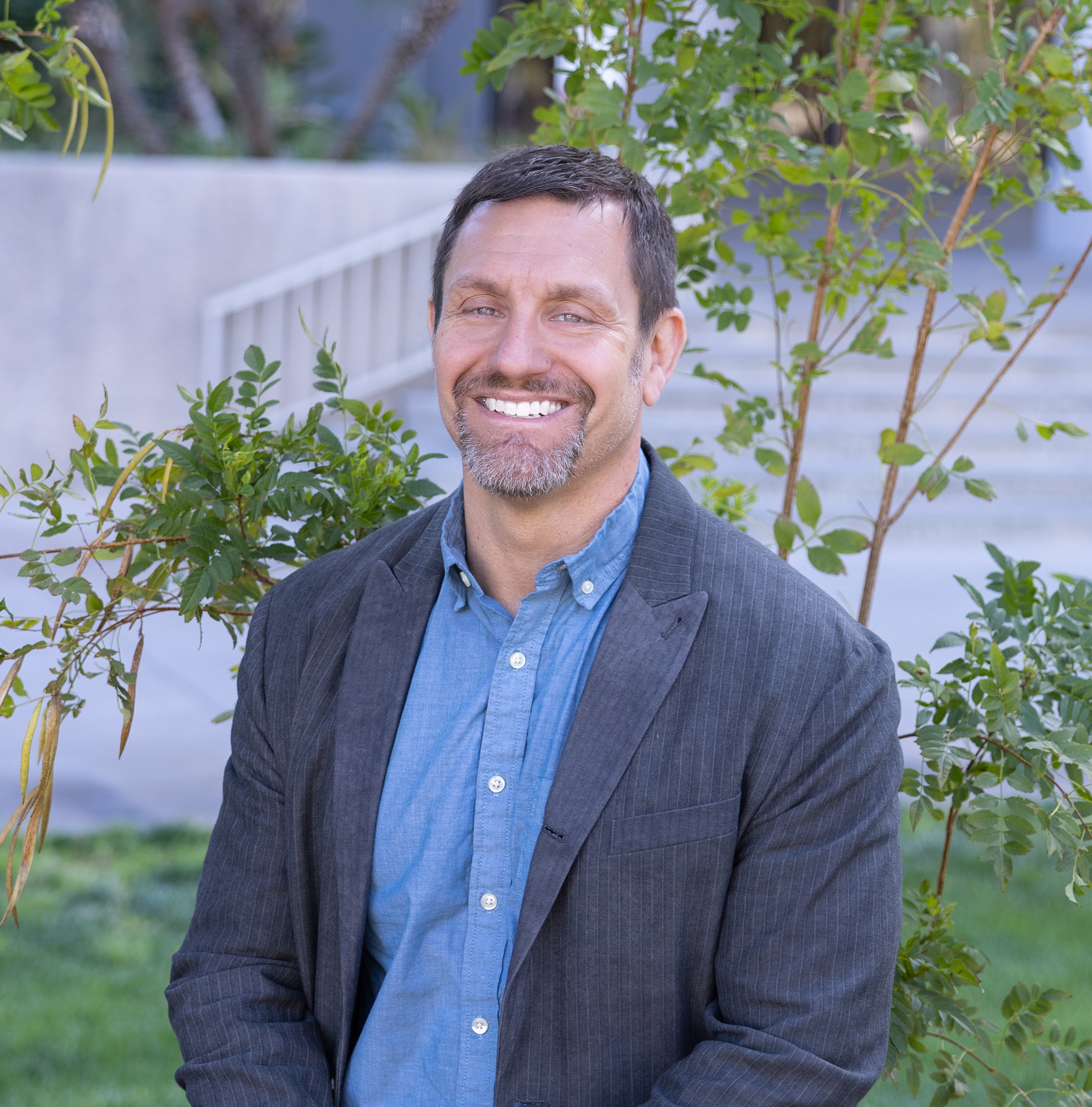
David G. Schwartz, Ombuds, professor, and gaming historian at the University of Nevada, Las Vegas, studies conflict resolution, gambling and games, and history. He is a Certified Organizational Ombuds Practitioner, credentialed mediator, and part-time AEMT. An Atlantic City, New Jersey native and former casino employee, Schwartz has written and edited several books, including Something for Your Money, At the Sands, Cutting the Wire, Roll the Bones, Grandissimo, and Boardwalk Playground. He earned his Ph.D. in United States History from UCLA, and teaches several classes, including casino history, video games, conspiracy theories, alternate history, and jazz history.
Additional Details and Event Policies
Course Limit
30 participants
Professional Development Hours (PDH)
This course is approved for 4 PDH.
Cancellation Policy
All cancellation requests received on or before Tuesday, 29 September 2026, will be issued a refund less a $75 processing fee. No refunds will be given thereafter except in the event of extenuating circumstances. Requests for registration cancellation must be submitted in writing via email to [email protected]. Substitute attendees will be permitted. Substitution requests must be in writing via email to [email protected] no later than two days before the event's start date of 20 October 2026.
Nonpayment Policy
Full payment of course registration fees is required before the start of the course. If full payment has not been remitted on or before Monday, 12 October 2026, event details will not be released to your registration. If you have any questions, please contact the office at [email protected] or by phone at +1-206-209-5275.
Technical Failure Policy for Virtual Courses
It is the responsibility of the registrant to confirm system requirements and test their computers prior to the start of each virtual session. If a technical failure is the fault of the service provider and the session is not able to be broadcast as planned, IOA reserves the right to reschedule the session. If an attendee experiences a technical failure on their end, IOA is not responsible for refunding the participant or providing applicable PDH hours.
Virtual Session Recording Release
Each virtual session may be recorded, including chat transcripts. These recordings may be provided for later viewing and may be used for promotional purposes, advertising, and other print and online materials at the sole discretion of IOA. By registering for a virtual session you consent to be recorded by IOA when attending live sessions.