

By Nadia Ferrara, PhD,
Ombuds - Indigenous Services Canada
It is a real honor for me as Ombuds to share these truths by Indigenous Elders from British Columbia, Canada. I met with them recently and they have created these videos to share with others their lived experiences, to ensure we listen and learn from our history. I think it is so critical as space creators and space holders to engage with humility and be open to learning. These videos speak to the principles of restorative justice and most importantly, speak to creating spaces that can nurture a sense of belongingness by feeling heard.
Kwasun Cultural Education Society was founded in 2024 on the initiative of 10 Coast Salish Elders and Knowledge Keepers intent on educating anyone interested in learning about Coast Salish cultural values and ways of being. The goal of the Elders was to encourage reconciliation: to create relationships between Indigenous and non-Indigenous learners for the betterment of Canadian society. Kwasun has hosted numerous workshops because, as the Elders say, "if we are going to turn this around, we have to go back to the teachings." They have presented to BC's Legislative Assembly staff, instructors and students at post-secondary institutions including University of Victoria, Vancouver Island University, Stz'uminus Native College, Pearson United World College, the RCMP, health care organizations including Parent Support Services of British Columbia and First Nations Health Authority among others. Unlike so many Reconciliation programs, Kwasun offers teachings and cultural lessons to youth and adults alike which are grounded in the language (Hul'q'umi'num'), land and ceremony. Kwasun is rooted in the notion that "important work is never done alone". Elders work together to represent and model their cultural knowledge, enacting their lessons in ways that learners can join in the work.
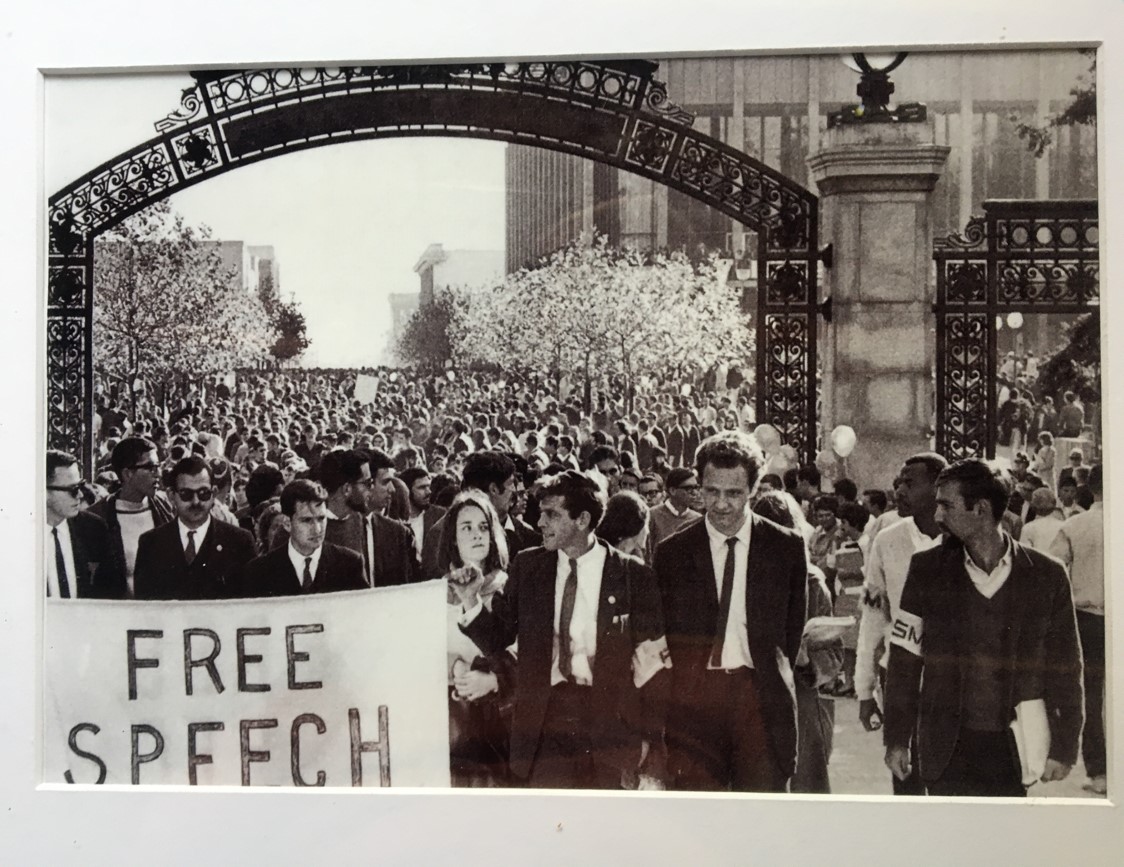 As I write, it is now the year of the 60th anniversary of the Free Speech Movement (FSM) at U.C. Berkeley, in which I was an active participant (I am at the far right in the photo.) It is also a time when free speech issues are again triggering campus conflicts, largely because of intense polarization over fighting in Gaza, and the mutually antagonistic activities of student supporters of Israel or Palestine.
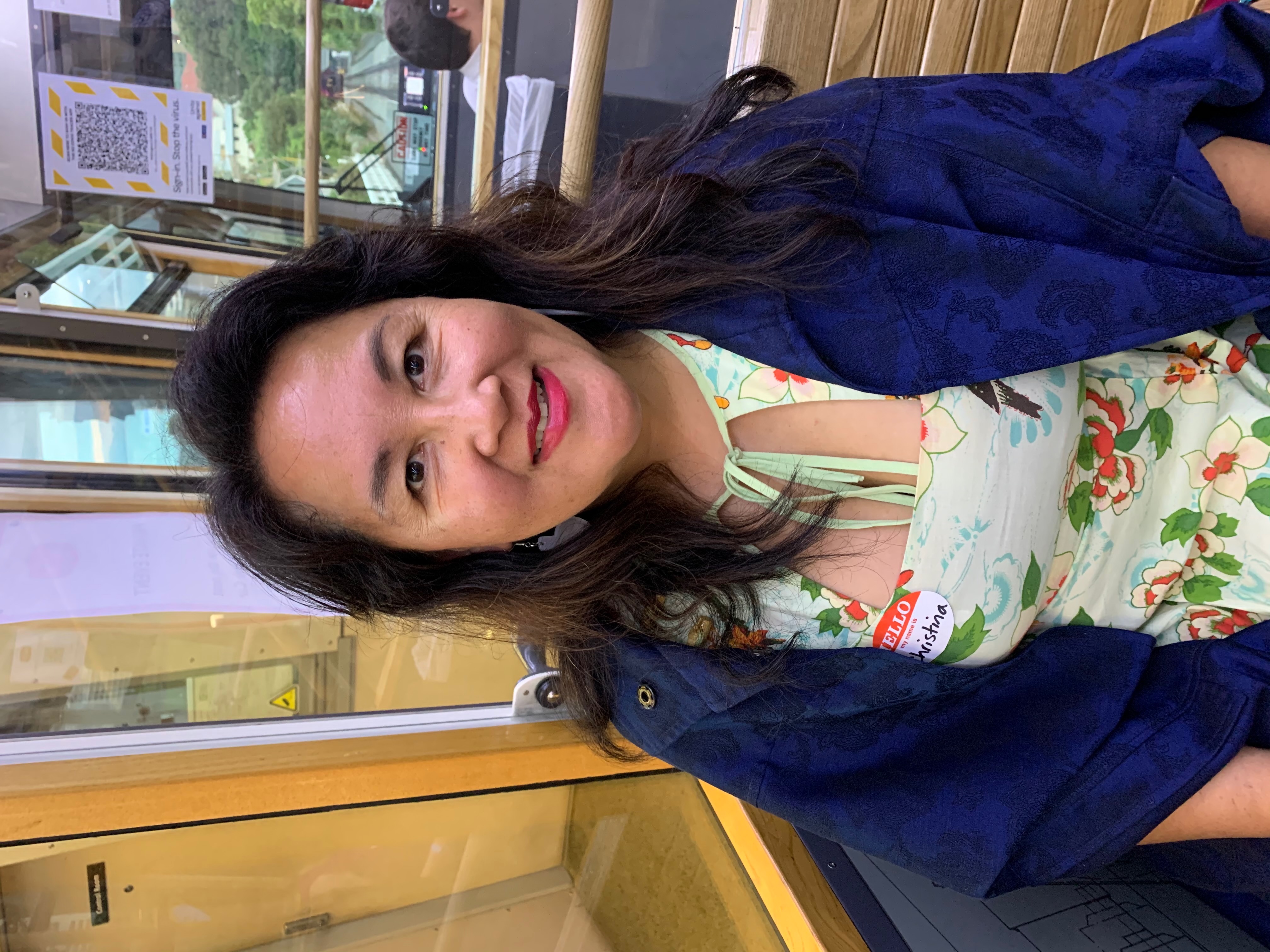 By Christina Tay