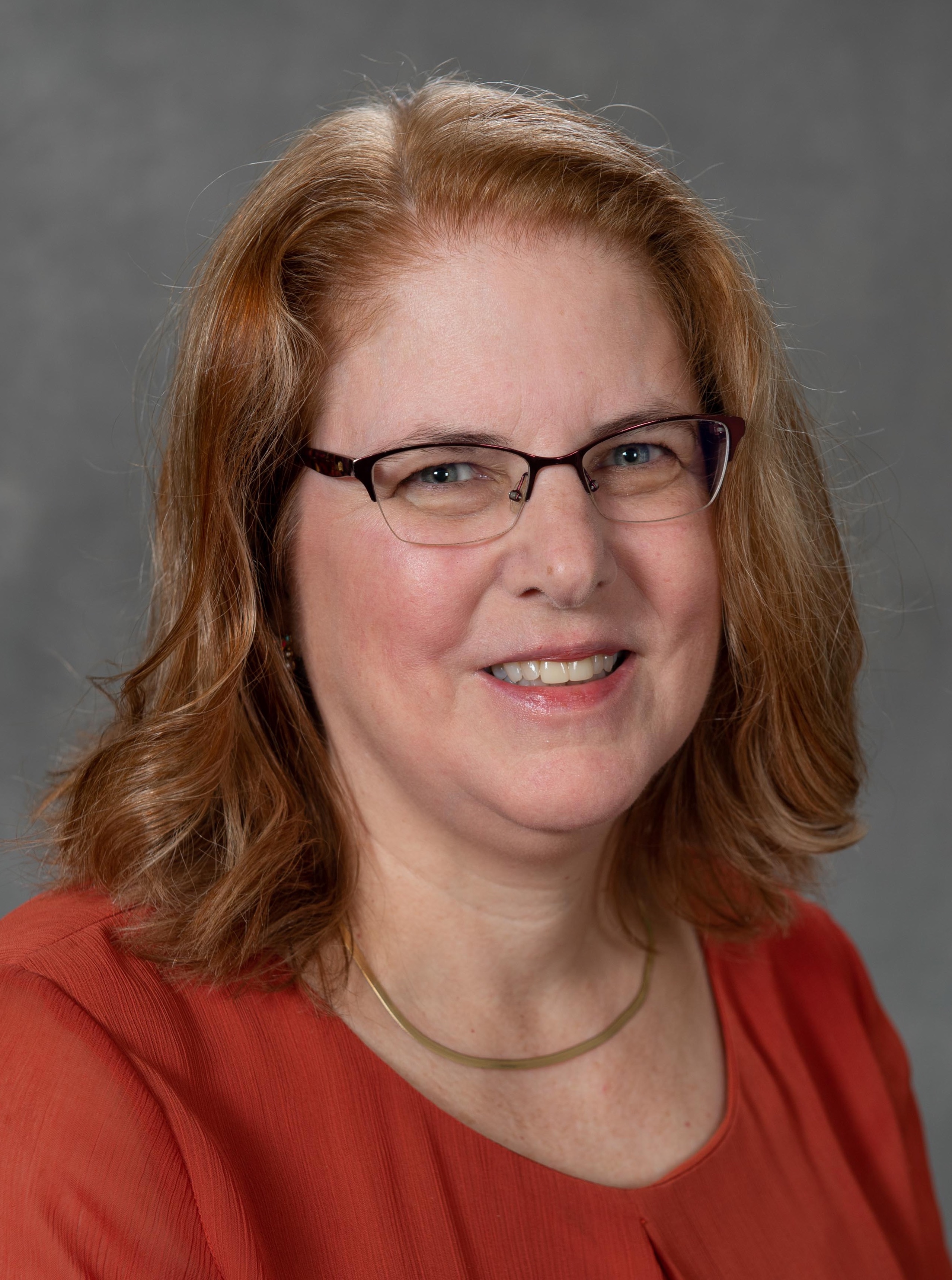
 My name is Misha Teixido. I am a graduate student studying conflict resolution at the Heller School for Social Policy and Management of Brandeis University. In the final year of my master’s program, I am currently working on my master’s capstone, which is about ombuds attitudes toward field practices and impressions in the United States.
Those who engage with the field of ombuds work, whether as aspiring ombuds or with the intent to hire a conflict resolution expert, seek clarity for the expectations of the role they look to fill, such as understanding specialization or conduct to follow. The need for such clarity is a situation that, while initially presented as surface level—many professions have specializations within their respective fields—is more ambiguous in the ombuds world. The position of an official advocate for complaints and conflicts has existed for thousands of years, each holding a variety of responsibilities in numerous contexts, some of which are more formal than others. Many of these positions use the term ombuds, ombudsperson, or ombudsman to describe their role, fairly satisfying the etymology of the word that roughly translates to “representative” from Swedish. It must be noted, however, that each implementation of ombuds varies greatly, as the position fluctuates in scope and responsibility from organization to organization, government to government, and country to country, culminating in the diverse application of ombuds practices that most who work in the field of ombuds work are familiar with (e.g. advocate ombuds, classical, organizational, etc.).
With a position that contextually varies as much as an ombuds, it is critical to engage with the field to ensure that the understanding of the role progresses both internally and externally in a relatively uniform manner. The purpose of this research is to understand how ombuds assess their own personal practices as well as how they view the practices of the ombuds field in the United States as a whole, so as to better understand how the field of ombuds work is perceived internally in the United States. Questions about how the ombuds office one works is modeled and functions, as well as inquiries into how ombuds became introduced to the field of ombuds work are at the core of understanding current perceptions and practices of ombuds work in the United States. Scholarship reporting the history of the ombuds role, discerning types of ombuds offices and models from one another, and exploring implementation of ombuds design exists, but limited research has been done that analyzes the current view of ombuds practices in the United States as understood by ombuds themselves (Tompkins Byer 2017). The core benefit of this research is that it provides an opportunity for practicing ombuds to share their understanding of ombuds work in the American context. The information shared in this survey may provide benefits to public understanding of ombuds nationwide, and may contribute to the continued evolution and evaluation of ombuds work in the United States. Responses may lead to improved efficacy of ombuds offices, as well as overall strengthening of ombuds office functions. Additionally, information shared may contribute to making the ombuds field more accessible, both for aspiring ombuds as well as for organizations considering the implementation or use of an ombuds service. An aspiring ombuds myself, hearing from ombudspersons in the field will provide me with a stronger understanding of how the role of the ombuds varies in numerous contexts.

 Ombuds Needed: Help contribute to and advance our field!
 By Shannon Lynn Burton, Ph.D.,